

When you’re visiting Germany for the first time, one of the small but persistent surprises many foreign travelers encounter is the public toilet situation. You’re walking through a train station, a city center, or even a rest stop on the Autobahn, nature calls—and then you see it: a turnstile, an electronic display, or a small dish asking for coins. Yes, in Germany, using a public toilet often costs money. For visitors from countries where public restrooms are typically free, this can feel strange, even frustrating. But there’s more to this system than meets the eye, and once you understand the reasoning behind it, you might actually appreciate it.
The Standard Fee – What You'll Pay
Throughout Germany, the cost for using a public toilet is surprisingly standardized. Most public restrooms charge between €0.50 and €1.00, with €0.70 being a common average. You’ll find this at major train stations, at motorway service areas, in many city centers, at public parks, and even at some department stores.
But here’s something that often confuses first-time visitors: in Germany, paying for the toilet doesn’t just buy you access. It also buys you cleanliness, safety, and service. This is a crucial distinction. Many German public toilets are not the grim, neglected facilities you might expect. Instead, they are regularly cleaned, well-stocked with toilet paper and soap, and monitored for safety.
How the System Works: The Turnstile and the Receipt
The most common setup is the coin-operated turnstile. You insert your coins, the barrier opens, and you enter. Some facilities use a more modern electronic payment system that also accepts cards or even mobile payment. Once inside, you typically find a clean, well-maintained restroom.
One clever aspect of this system is the “Receipt as Discount” model. At many locations—especially at service stations along the Autobahn and at larger train stations—the ticket or receipt you receive upon payment doubles as a discount voucher. You can present it at any participating shop or restaurant within the same complex, and it will be deducted from your purchase. So effectively, if you planned to buy a coffee or a sandwich anyway, the toilet visit becomes free of charge.
This is surprisingly elegant: it keeps the restrooms clean, discourages misuse, and even encourages shoppers to spend money at on-site businesses. Everyone wins.
Of course there is also a downside of this. Germans are usually price sensitive and there are many bad comments on this system, as for example you can only use one voucher for purchase. So when your whole family has vouchers, only one can be used, or everyone from your group buys something, which is rather impracticable. Also, prices at rest stations on the Autobahn are rather high. So often people do not want to spend money on overpriced products and therefore just throw away the voucher. Win win… but for the system.
The Sanifair System – A Premium Experience?
If you’ve traveled through Germany, you’ve likely encountered Sanifair. This is the most widespread and well-known operator of paid public toilets in the country, especially at Autobahn service stations. What sets Sanifair apart is the quality of its facilities. These are not just toilets—they are often fully automated restroom modules that self-clean after every use. The floors are washed automatically, the toilet seat rotates through a cleaning mechanism, and the entire space is disinfected regularly.
Sanifair facilities are often spacious, well-lit, and accessible for families and people with disabilities. The fee is usually €0.70, and the receipt includes a €0.50 voucher redeemable at the adjacent service station shop or restaurant. Sometimes, children can enter free of charge and have a specific entrance.
Why Paying for Toilets Became Standard in Germany
The question many visitors ask is: why does it cost money in the first place? The answer lies in how Germany approaches public infrastructure and services.
In many countries, public toilets are funded by municipal taxes and maintained by city workers. While Germany certainly has municipally maintained restrooms, the reality is that keeping toilets clean, vandalism-free, and well-stocked is expensive. Public budgets are often tight, and when they are cut, public toilets are among the first services to suffer. The result? Dirty, unsafe, and unpleasant facilities that nobody wants to use.
Germany’s solution has been to privatize or semi-privatize toilet maintenance—but with strict oversight. Private companies like Sanifair operate the facilities under contract with the city or railway authority. The user fee covers cleaning, maintenance, security, and ongoing investment in new technology. This means the toilets are actually better maintained than many tax-funded alternatives elsewhere.
Consider this: a paid toilet in Germany is often cleaner than a free public toilet in many other countries. The fee creates accountability and ensures that someone is responsible for keeping the space in good condition.
But There Are Free Options Too
It’s important to note that free public toilets do exist in Germany—you just have to know where to look.
- Department stores: Stores and malls have customer restrooms that are free to use. No purchase necessary, though it’s polite to make one.
- Museums and galleries: Almost all museums, even smaller ones, have free restrooms for visitors. Downside: sometimes the toilets are behind the counter and you have to buy a ticket to get there.
- Restaurants and cafés: As a paying customer, you can use the restroom. However, walking in just to use the toilet without ordering anything is considered poor etiquette.
- Municipal facilities: Larger cities like Munich maintain some free public toilets, particularly in high-traffic areas. However, they may not always be as clean as the paid alternatives.
Toilet Etiquette for Tourists
If you want to blend in and handle the German toilet system like a local, here are a few things to keep in mind:
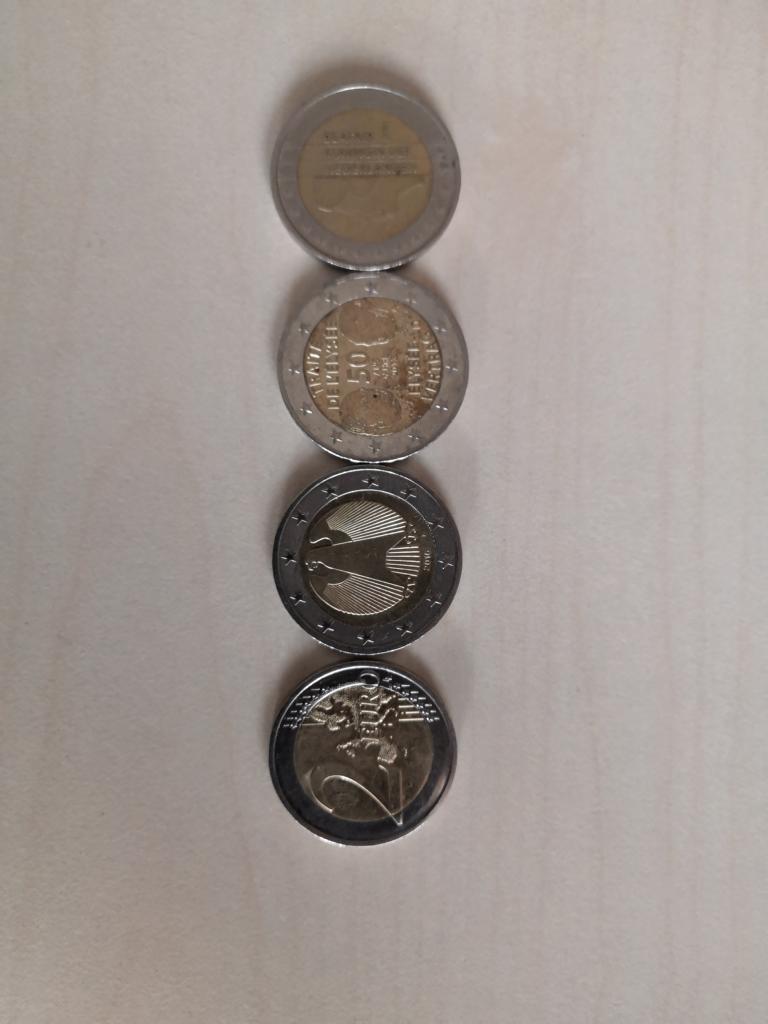
- Always carry small change. Coins (€0.50, €1.00, and €2.00) are essential. Many facilities do not give change, so having the exact amount ready will save you time.
- Check the receipt for a discount voucher. If you’re at a service station or train station, hold onto that slip—it might get you money off your next purchase.
- The “WC” sign is your friend. In Germany, toilets are usually marked with “WC” (Water Closet) or the universal pictogram. “Toiletten” is the German word for toilets.
- Don’t be surprised by the “shelf” in the bowl. This is a cultural difference worth mentioning: many German toilets have a flat shelf-like design (called a “Flachspüler”) inside the bowl rather than a water-filled basin. This design allows for easier inspection of one’s health (Germans take their health seriously) and reduces splashing. It can be surprising at first, but you’ll get used to it quickly.
- Tipping the cleaning staff is optional but appreciated. In some paid toilet facilities, especially at upscale restaurants or hotels, a small dish sits near the exit for tips. It’s not mandatory, but leaving €0.20 or €0.50 is a kind gesture if the facility was clean.