

Table of Contents
When planning a trip to a foreign country, safety is often the first question on every traveler’s mind. And it’s a valid question. Between horror stories on Social Media, news headlines, and friends who’ve “heard things”, it’s easy to wonder: Is Munich actually safe for visitors from abroad?
Let me put your mind at ease right from the start: Munich is one of the safest major cities not just in Germany, but in all of Europe. Year after year, international rankings place Munich among the world’s most livable and safest cities. The crime rate is low, the police presence is visible and professional, and the city is incredibly welcoming to tourists.
But as with any city in the world, there are a few things you should know before you arrive. In this guide I want to give you an honest, local and personal perspective on safety in Munich, so you can explore the city with confidence.
How Safe Is Munich, Really?
Let’s look at the facts and statistics first. Munich consistently ranks as one of the safest cities in Europe. According to official crime statistics from the Bavarian State Police, the overall crime rate in Munich has been declining over the past decade. Violent crime is extremely rare, and most incidents that do occur are non-violent petty crimes like pickpocketing or bicycle theft.
To put it in perspective: Munich has a population of roughly 1.5 million people. The city’s homicide rate is far below the average of comparable international cities. As a tourist, the chances of encountering any serious safety issue are minimal.
What this means for you: You can walk through the city center at night, use public transportation after dark, and explore neighborhoods without constantly looking over your shoulder. Munich simply does not have the kind of safety concerns that travelers might associate with larger European capitals.
Deep Dive Into Statistics
Let’s start with the official crime statistics from Munich’s Police. Munich Police statistic covers not only the City of Muniuch, bur also the Landkreis München (Munich County, that has the shape of a 3/4-ring around Munich City).
As of 2025 the main crimes (98.478 crimes) were:
- Theft (pickpocketing, theft) 32%
- Other offenses (i.e. illegal property trespassing, property damage, insult) 22.1%
- Violent crimes (including among other things: robbery, assault, coercion and violent harassment) 19.8%
- Financial and Counterfeiting Offenses 17%
- Crimes under ancillary laws (Drug-related crime, general offenses) 5.8%
- Homicides and Crimes Against Sexual Self-Determination 3.4%
Munich’s Police does an incredible job. The solved case rate is between 60 and 65%.
And since 2016 the overall crime rate is decreasing (minus 10% since 2016).
If you like to see even more detailed statistics of 2025 on more than 150 pages, you can find the official Safety Report 2025 here (in German).
For tourists, however, the NUMBEO statistic is more interesting and informative. The Numbeo ststitics are a global, crowd-sourced database primarily used for data on cost of living, property prices, and quality of life. But it also features a safety and crime index. The Numbeo crime Index for Munich is (as of mid-2026) 21.69 of 120.
What does that mean?
The Crime Index is a subjective index created through onlne surveys. Therefore it is not an official statistic, but shows “how people feel” about places or have worries in certain cities. Here are the indexes of other different cities around the world:
USA
New York: 50.72
Los Angeles: 50.83
Chicago: 65.22
Washington DC: 59.68
Miami: 53.30
Houston: 62.91
Australia/New Zealand
Sydney: 33.81
Perth: 42.09
Melbourne: 44.34
Auckland, NZ: 50.59
Christchurch: 44.67
Europe
London: 55.24
Paris: 57.94
Rome: 46.7
Interested in the detailed (subjective) statistics of Numbeo? See https://www.numbeo.com/crime/in/Munich
Munich's Sketchy Areas
To get this one straight: Munich as nearly every citiy in the worlöd has certain places where you can see social issues. But again: This is Munich and the definition of a “sketchy” area is maybe completely different from what you are used to.
So here is a map with the sketchy places of Munich (move it around and klick on the colored areas for detailed information):
Pickpocketing: The Main Risk for Tourists
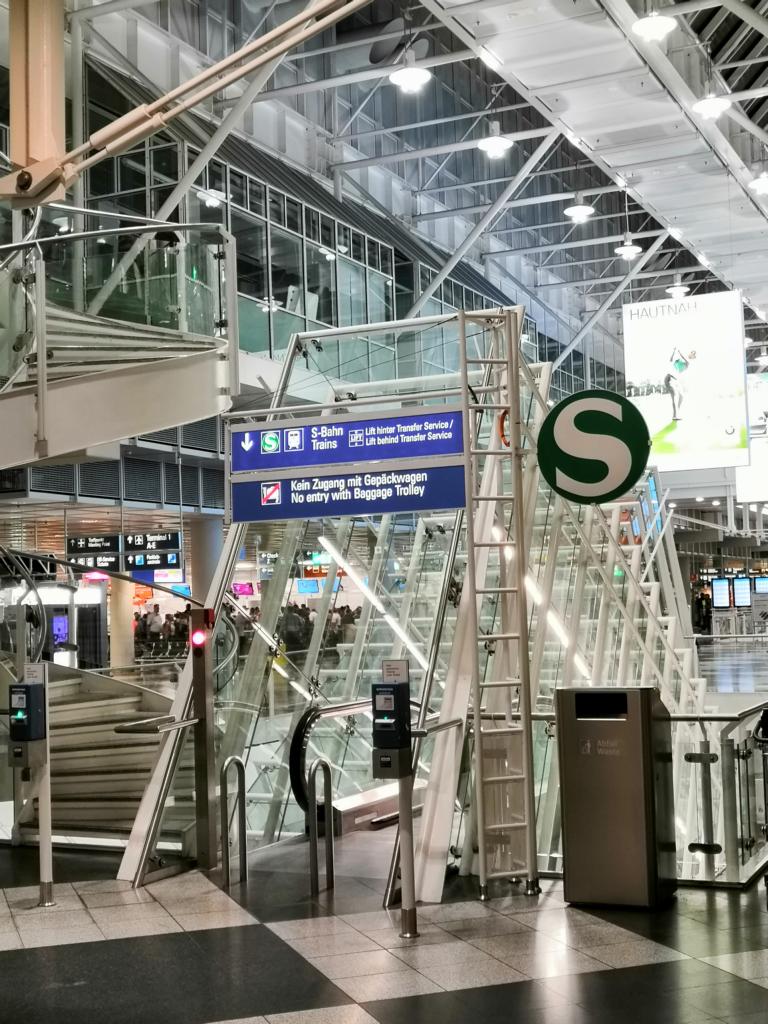
If there’s one thing to be aware of, it’s pickpocketing. This is the single most common safety issue for tourists in Munich—and honestly, it’s the same in any popular tourist destination worldwide.
Where pickpocketing happens most:
- Crowded areas like Marienplatz, Viktualienmarkt, and the pedestrian zones
- Oktoberfest grounds and beer tents
- Christmas markets during the holiday season
- Public transport (U-Bahn, S-Bahn, buses) especially during peak hours
- The Main Station area and other train stations
How to protect yourself:
- Keep your wallet and phone in front pockets or a zipped bag
- Use a cross-body bag worn toward the front of your body
- Avoid holding your phone loosely in your hand in crowded spaces or near opening doors of trains, buses and tramways
- Never leave your phone or wallet on a café/restaurant table unattended, especially on terraces and outside seating where pedestrians walk by
- Use an anti-theft bag or money belt if you’re concerned
That said, Munich is far less affected by pickpocketing than cities like Paris, Rome, or Barcelona. The local police regularly patrol tourist hotspots, and many areas have plainclothes officers during peak seasons. A reasonable level of awareness is all you need.
Is Public Transport Safe in Munich?
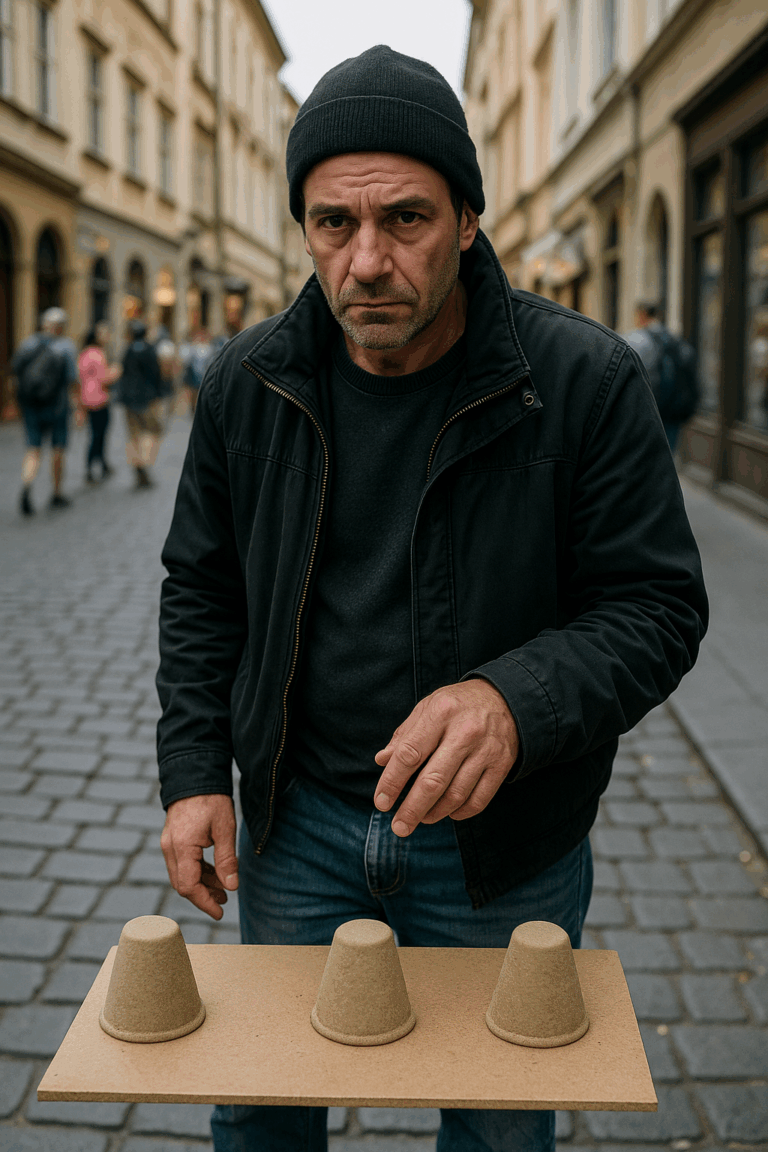
Absolutely. Munich’s U-Bahn (subway), S-Bahn (urban rail), tramways, and buses are safe and reliable. They are used by families, students, and elderly people at all hours of the day.
A few quick notes:
- Late at night: You might encounter intoxicated people on weekends, especially around the Main Station (Hauptbahnhof). They’re usually harmless, but try to avoid them anyway (go away or if encountered in a train, change cars).
- Security personnel: Many stations have security staff and emergency call buttons.
- Night trams and buses: On weekends, Munich runs so called “night trams” and “night buses” when the subway stops operating early in the morning (see below). These night trams/night buses are well-used and safe.
- The U-Bahn and S-Bahn operate until around 1 AM (and again from around 4 AM) on weekdays and 24 hours on weekends (Fri/Sat nights).
My personal tip: If you’re taking the U-Bahn alone late at night, try to sit in the first car near the driver. This is a common safety tip used by locals, too.
Safety for Solo Travelers and Women
Munich is an excellent destination for solo travelers, including women traveling alone. The city is well-lit, has good public infrastructure, and locals are generally helpful if you need assistance.
Tips for solo travelers:
- Trust your instincts – If a street or area feels uncomfortable, simply walk away. But know that most areas in Munich are perfectly fine.
- Stay in central districts – Neuhausen, Schwabing, Maxvorstadt, Altstadt, and Glockenbachviertel are all safe and popular with tourists.
- Use ride-sharing apps – Uber, FreeNow, and local taxis are reliable and safe.
- Emergency number – In Germany, the emergency number is 112 (police, fire, ambulance). The non-emergency police number is 110.
- avoid dark, empty streets and alleyways late at night
- keep your phone charged, and let someone know your plans
- Consider using specific mobile apps like the SafeNow App
- Know the Emergency Number for the police: 110 (this is the German equivalent to 911)
Emergency Services and Health Care
Germany has an excellent healthcare system, and Munich is home to some of the best hospitals in the country.
- Emergency number: 112 (ambulance, fire and police – free to call from any phone)
- Police emergency: 110
- Pharmacy (Apotheke): Open during regular hours, with emergency pharmacies (Notdienst) rotating on weekends and nights. You can find the nearest emergency pharmacy at any pharmacy window or online.
Travel insurance is strongly recommended. While Germany’s healthcare is world-class, medical costs can be high for uninsured visitors. Make sure your policy covers you in the EU
Alcohol and Nightlife Safety
Munich is also dubbed the beer capital of the world. Therefore drinking is a normal part of social life. However, the city handles alcohol responsibly.
- Public drinking: It is legal to drink alcohol in public spaces (parks, streets, etc.) – and locals do, especially in summer. This is normal, not a sign of disorder.
Be aware that there are certain areas where drinking alcohol in public is forbidden: public transport facilities (trains, tramways, buses, stations) and certain parks. - Oktoberfest: During Oktoberfest, the city is packed with visitors, and alcohol consumption is high. Police are present in large numbers. The Oktoberfest grounds are well-secured. The most common issue? People drinking too much and needing medical attention. Take it slow, drink water between beers, and best: know your limits.
- Beer gardens and bars: Most close by 11 PM or midnight. Late-night partying happens, but Munich is not a 24-hour party city like Berlin or Las Vegas.
A Few Final Tips for a Safe Visit
- Learn a few German words – Even a simple “Hallo” (hello), “Danke” (thank you), and “Tschüss” (bye) go a long way. Check out my article “All About Local Etiquette – Do’s and Don’ts in Bavaria“ for more.
- Keep a copy of your passport – Leave the original in your hotel safe and carry a photocopy or digital scan.
- Use hotel safes – For passports, extra cash, and valuables you don’t need during the day.
- Travel without high priced valuables – Of course your Rolex looks cool and your diamond earrings are perfect for a fancy dinner in Munich, but when it gets stolen – you will definitley regret it.
- Watch for bicycles – Munich is a bike-friendly city, and cyclists can appear suddenly and with hight speed. Look both ways before crossing bike lanes. Seriously.
- Know the quiet hours – From 10 PM to 6 AM (and all day Sunday), loud noise is frowned upon. Be respectful in hotel corridors and residential areas.
- Register with your embassy – especially when you stay longer
- Read my articles 🙂 about safety in Munich such as Are there No-Go-Areas in Munich? or Is the Southern Main Station District in Munich a No-Go Area? or Where NOT to Stay in Munich – Districts and Areas to Avoid as a First Time Visitor