

Germans love borrowing English words – or at least, what they think are English words. The result? A collection of “Denglisch” (Deutsch + English) terms that will leave native English speakers scratching their heads or laughing out loud.
These pseudo-English words are used completely seriously in everyday German conversation, but they mean something entirely different than you’d expect – or don’t exist in English at all! Here are the most hilarious examples every tourist should know before visiting Munich and Germany.
1. Das Handy (mobile phone, cellphone)
Let’s start with the most famous example. In Germany, your mobile phone is called a Handy. Ask a German where their Handy is, and they’ll point to their smartphone. The irony? This word doesn’t mean “mobile phone” anywhere in the English-speaking world. Germans invented this term themselves, thinking it sounded English and modern.
The confusion: When someone says “Ich brauche mein Handy,” they need their phone, not something handy!
How to use it: “What’s your Handy number?”
Bonus: Don’t think the term applies for all German speaking countries. In Switzerland das Handy is called “Natel”.

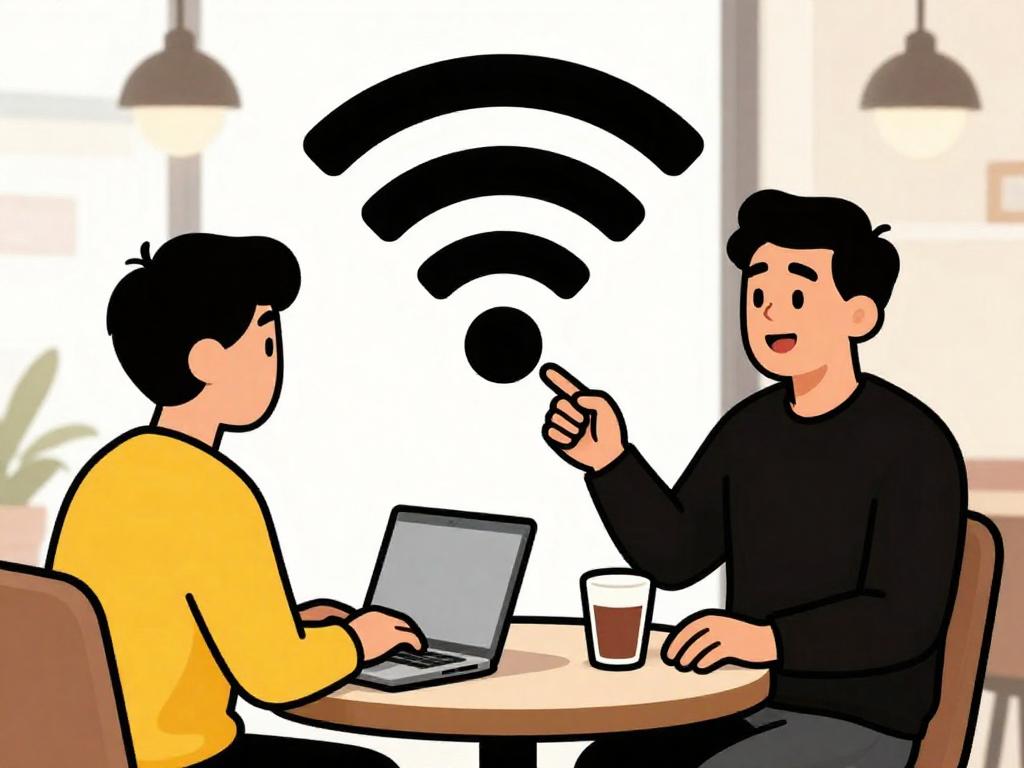
2. W-LAN (wi-fi)
Planning to check your emails at a Munich café? Don’t ask for the “Wi-Fi password” – you’ll get confused looks. In Germany, Wi-Fi is called W-LAN (pronounced “vay-lahn”), short for “Wireless Local Area Network.” While technically accurate, it’s hilarious because literally no English-speaking country uses this term.
The confusion: “Do you have Wi-Fi here?” will often be met with “You mean W-LAN?”
3. Public Viewing – "Public Screening" (of sports events)
When Germany hosts major football (soccer) matches or the German Soccer team plays in the Soccer World Cup, you’ll see signs for “Public Viewing.” Before you panic, this has nothing to do with funeral services! In German, Public Viewing means watching a sports event together on a big screen in a public place – what English speakers would call a “public screening” or “watch party.”
The confusion: In English, “public viewing” typically refers to viewing a deceased person before a funeral!
4. Homeoffice (working from home)
Since the Covid-pandemic, you’ve probably heard Germans talk about working in the Homeoffice. While this sounds like it could be English, native speakers would say “working from home” or “remote work.” In English, a “home office” is just a room in your house, not the act of working there.
The confusion: “I’m in Homeoffice today” sounds odd to English ears, while Germans use this term a lot.

5. Peeling (face scrub)
Walk into any German pharmacy or beauty store and ask for a Peeling, and you’ll get a facial scrub or exfoliant. The word comes from the English verb “to peel,” but in English, we’d never call the product a “peeling.”
The confusion: English speakers use “exfoliant,” “scrub,” or “face wash” – never “peeling.”
6. Partner Look (matching outfits)
See a couple wearing matching outfits? Germans call this Partner Look. While the meaning is fairly self-explanatory, English speakers would never string these words together this way. Natice speakers would say “matching outfits” or “coordinated looks.”
The confusion: “Partner Look” sounds like broken English, but it’s perfectly normal German!

7. Shooting (photo shoot)
Planning some Instagram photos at Neuschwanstein Castle? A German photographer might invite you to a Shooting. Don’t worry – they mean a “photo shoot,” not anything violent! While “shooting” can refer to photography in English, we’d almost always say “photo shoot” or “photoshoot.”
The confusion: “I have a Shooting tomorrow” sounds dramatic to English speakers!

8. Oldtimer (classic car)
See a beautiful vintage car cruising through Munich’s streets? Germans call it an Oldtimer. In English, however, an “old-timer” is an elderly person, not a classic automobile! Native speakers would say “classic car,” “vintage car,” or “antique car.”
The confusion: “Check out that beautiful Oldtimer!” sounds like you’re admiring an elderly gentleman!

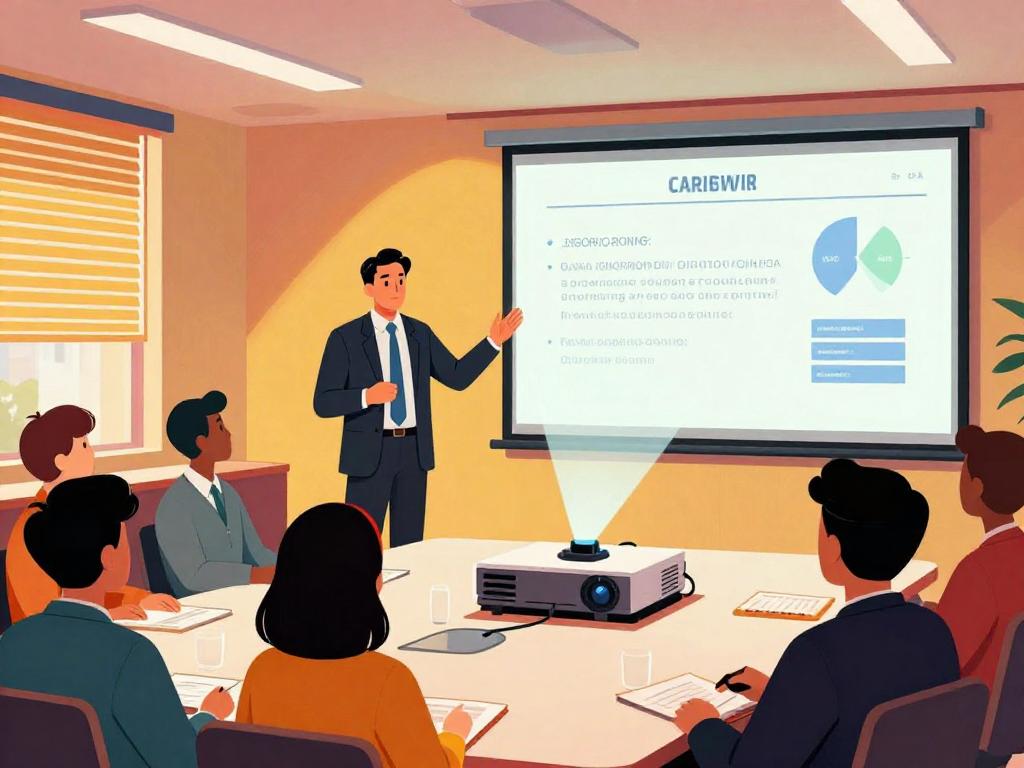
9. Beamer (projector)
Need to give a presentation in Munich? You might ask for a Beamer. No, not a BMW (though you’re in the right city for those!). A Beamer is a projector – the device that projects images onto a screen. In English, “beamer” is slang for a BMW, not a projector.
The confusion: “Can I borrow your Beamer?” this German doesn’t want to borrow your car!
10. Smoking (tuxedo)
This one is truly bizarre. In Germany, a Smoking is a tuxedo or formal men’s evening wear. The term comes from “smoking jacket,” but Germans dropped the “jacket” part. So if someone invites you to a formal event and says you need a Smoking, they mean black-tie attire!
The confusion: “You need to wear a Smoking tonight” I do need what?

11. Checken (to understand or to check out)
Germans have adopted the English verb “to check” and use it as checken, but often with a different meaning. While it can mean “to check” something, it’s more commonly used to mean “to understand” or “to get it.”
The confusion: “Hast du das gecheckt?” means either “Did you understand that?” or (depending on context) also “Did you check that?”
Please be aware, that to “checken” is colloquial language and usually used by younger generations. The word found its way into German language in the 1990s and is widely used by Millenials.
12. Die City (downtown or city center)
When Germans talk about going to die City, they don’t mean the entire city – they specifically mean the downtown area or city center. In English, you would say “downtown,” “the city center,” or “town center.”
The confusion: “Let’s meet in the City” sounds vague to English speakers but is perfectly clear to Germans!
Bonus: the noun City (downtown) in German is feminine and gets the German article “die”, which makes it even more hilarious for english speakers.

13. Bodybag (messenger bag)
Please don’t panic when a German casually mentions their Bodybag! They’re talking about a messenger bag or crossbody bag, not a bag for corpses. In English, a “body bag” has a very specific (and morbid) meaning!
The confusion: “I love your new Bodybag!” sounds deeply concerning in English!

14. Showmaster (host)
Watching a German TV show? The host or master of ceremonies is called a Showmaster. While the meaning is clear, English speakers would simply say “host,” or “presenter”.
The confusion: “Showmaster” sounds like a superhero name, not a job title!

15. Basecap (baseball cap)
Want to protect yourself from the sun? Germans might recommend a Basecap. While English speakers immediately understand what this means, they would always say “baseball cap” as two separate words, not smashed together.
The confusion: Minor, but “Basecap” as one word looks and sounds slightly off to native speakers.

Why Does This Happen?
You might be wondering: why do Germans use these pseudo-English words? The answer is simple: English sounds modern, international, and cool to German ears. Sometimes these words are borrowed and modified; other times, they’re completely invented by Germans who thought they sounded English. The result is Denglisch – a delightful hybrid that gives both languages a unique twist.