

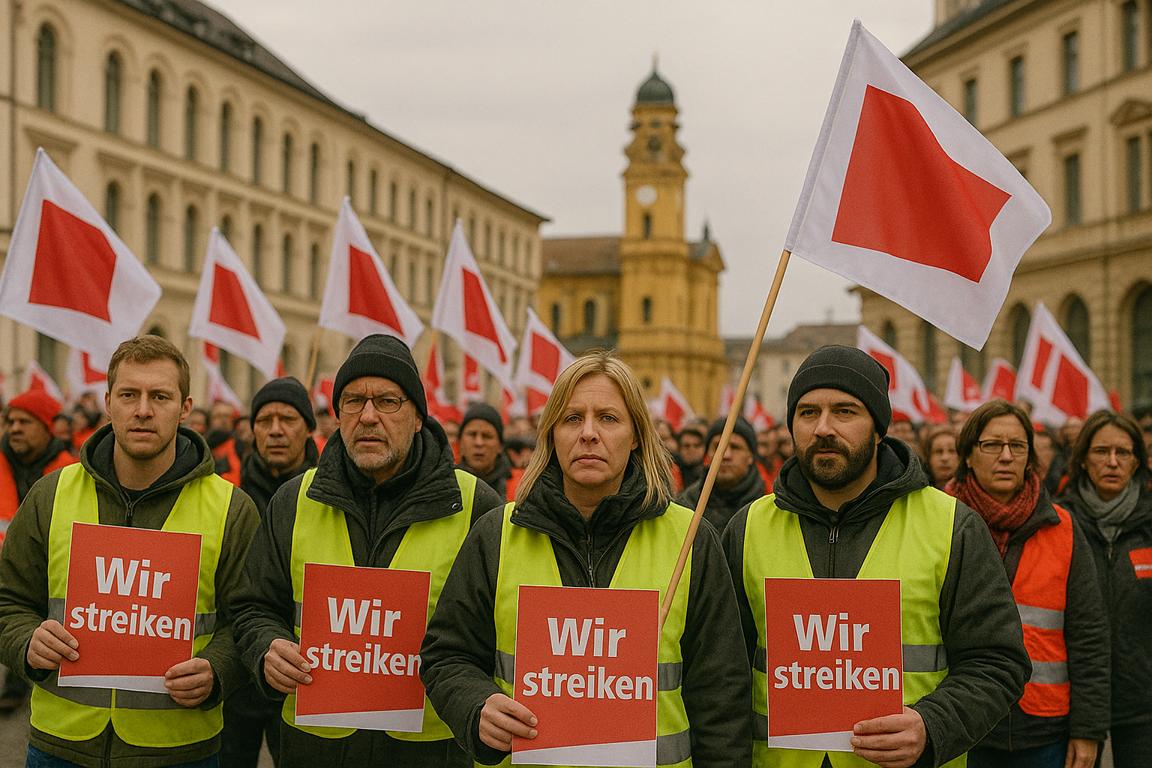
Planning a trip to Germany between January and May? While spring in Bavaria offers beautiful landscapes and vibrant city life, it’s also a period when you might encounter an unexpected travel hurdle: strikes. Understanding why these industrial actions often occur during these months can help you prepare and ensure a smoother journey.
The Annual Rhythm of Negotiations: Why Early Spring is Prime Time for Strikes
In Germany, collective bargaining agreements (German: Tarifverträge) between trade unions and employers are frequently negotiated at the beginning of the year. This period, typically from January through May, is often a critical window for unions to press for better wages, working conditions, and benefits. If negotiations stall or demands are not met, unions may call for warning strikes (German: Warnstreiks) to increase pressure on employers.
These warning strikes are usually short—ranging from a few hours to a full day—but they can have significant ripple effects, particularly in key sectors like public transport and aviation.
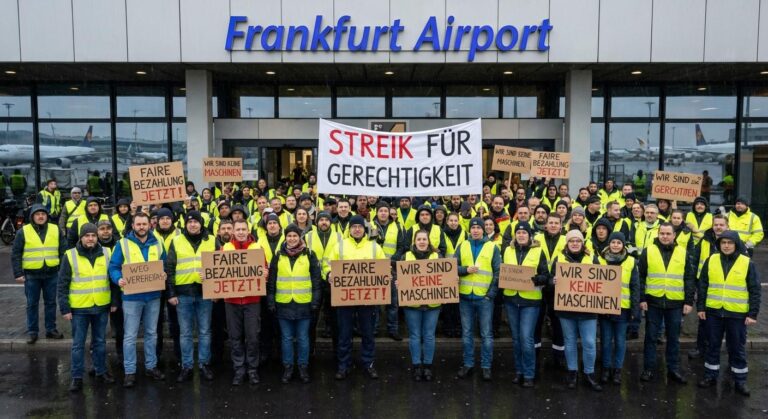
Who Goes on Strike? The Key Players
While any sector can experience strikes, those most likely to affect travelers during this period include:
- Public Transport (German: Öffentlicher Nahverkehr – ÖPNV): This can include local buses, trams, and subways (U-Bahn and S-Bahn) in cities like Munich. Strikes here primarily affect local travel within and around urban areas.
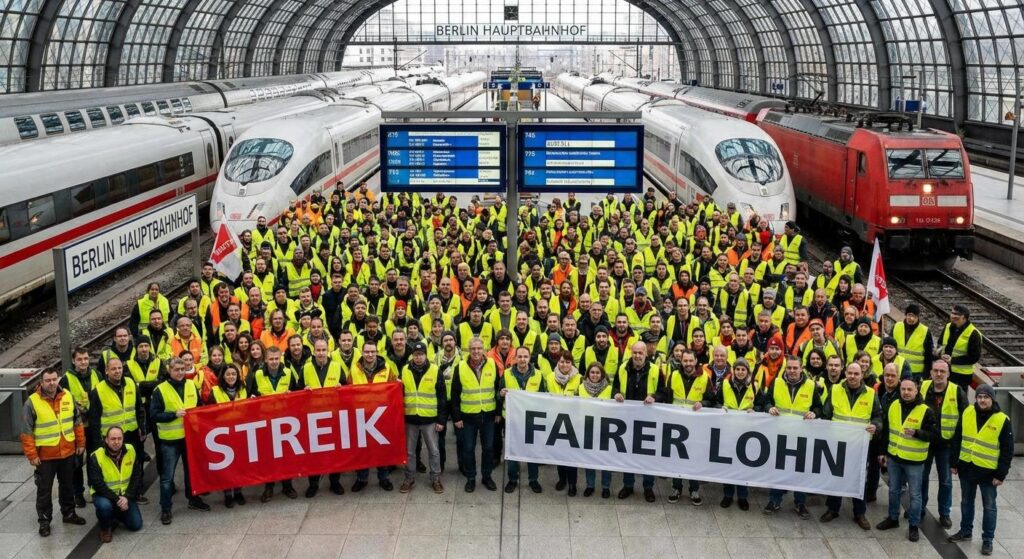
- Rail Services (Deutsche Bahn – DB): Strikes by railway workers can disrupt regional and long-distance train services across the entire country, leading to cancellations and delays. This is often one of the most impactful types of strikes for tourists planning to explore different parts of Germany.
- Airport Personnel: This can range from security staff to ground handling services, air traffic controllers, and even airline employees. Strikes at airports can cause significant delays, flight cancellations, and disruptions to baggage handling.
How Do Strikes Affect Your Travel Plans?
- Flight Delays and Cancellations: If airport staff go on strike, expect queues, missed connections, and potentially complete cancellation of flights.
- Train Disruptions: Deutsche Bahn strikes can lead to widespread cancellations of both regional and intercity trains. While alternative routes might be offered, they often come with significant delays and overcrowding.
- Local Transport Issues: City-specific public transport strikes can make getting around Munich or other German cities challenging, requiring you to find alternative transport like taxis, ride-sharing services, or simply walking more.
Preparing for Potential Strike Action
While you can’t prevent strikes, you can certainly prepare for them:
- Stay Informed: Before and during your trip, keep an eye on local German news outlets or reliable international news sources that cover Germany. Many news sites will announce planned strikes well in advance. COnsider to look for the german terms “Streik” (strike), Flughafen (airport), “Bahn” (railway) and translate it with an automatic translation. You usually should get the information you need.
- Check Airline and Train Websites: Regularly check the websites of your airline (e.g., Lufthansa) and train operator (e.g., Deutsche Bahn) for real-time updates on your specific flights or connections.
- Be Flexible: If possible, try to build some flexibility into your itinerary. Avoid extremely tight connections, especially if you’re traveling during the peak strike season.
- Consider Travel Insurance: Comprehensive travel insurance can provide cover for strike-related disruptions, including accommodation or rebooking costs, depending on your policy.
- Have Alternative Plans: Know your options. If trains are striking, research bus services (e.g., FlixBus) or car rental options. For local travel, have taxi apps ready or know where to find a taxi stand. Be aware that during strikes, many people want to use taxis which causes long waiting times for taxis.
Strikes are an integral part of the German labor landscape and usually serve a legitimate purpose in worker negotiations. By being aware and prepared, you can navigate these potential disruptions with minimal stress and still enjoy your amazing German adventure!