

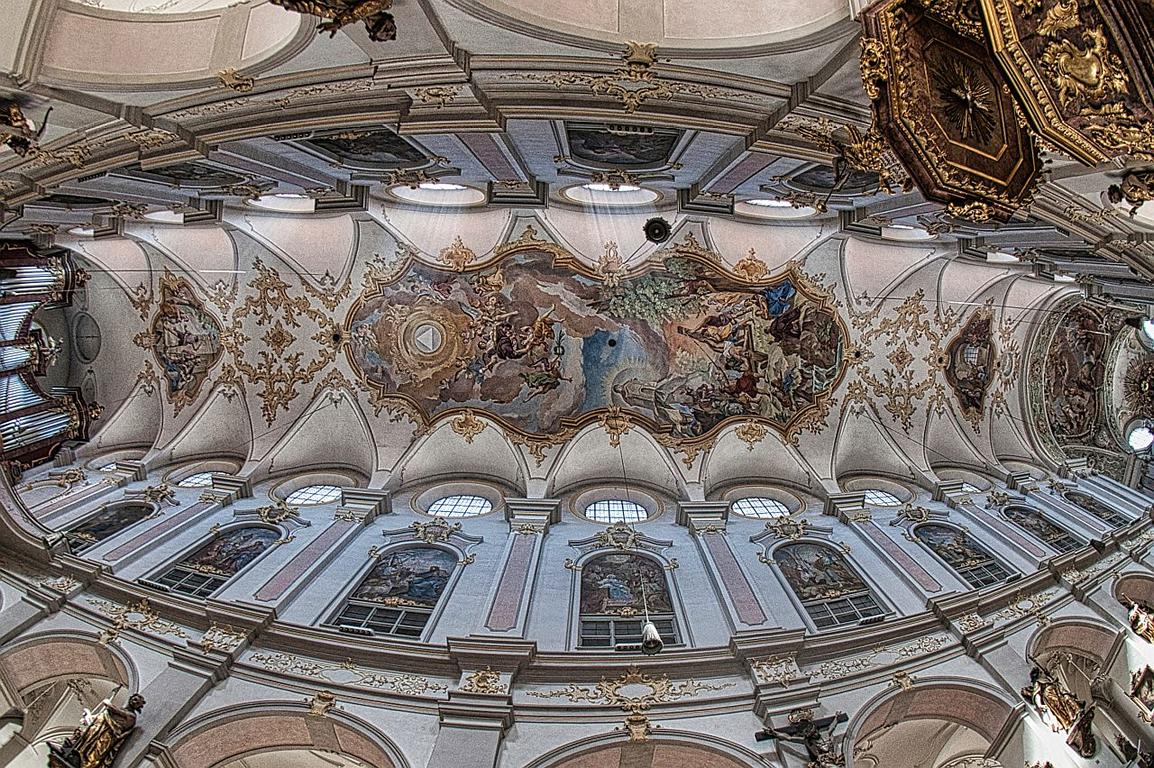
Bavaria (Bayern) is Germany’s largest federal state by area (it has about the same size as West Virginia) and one of the most diverse regions in all of Europe. Yet many travelers only know Munich and perhaps the Bavarian Alps. The truth? Bavaria is so much more than that!
Tip: You can play around with the true size of Bavaria and compare it to your home state on the Website “The True SIze Of“
The Free State of Bavaria (Free State = Republic) is divided into seven administrative regions (so called Regierungsbezirke, lit.: governmental districts), each with its own unique character, culture, history, and attractions. The borders between these regions orientate more on culture and heritage than on geographical thigns. Whether you’re planning a multi-week Bavarian adventure or looking to explore beyond Munich, understanding these regions will help you design the perfect itinerary.
This comprehensive guide breaks down all seven Bavarian regions and shows you what makes each one special. And be advised: Every region is different. After reading this articel, you will see there is no “Bavarian Culture”, but Bavaria is a mix if different soutrhern German cultures.
The 7 Bavarian Regions
Bavaria consists of:
- Oberbayern (Upper Bavaria)
- Niederbayern (Lower Bavaria)
- Oberpfalz (Upper Palatinate)
- Oberfranken (Upper Franconia)
- Mittelfranken (Middle Franconia)
- Unterfranken (Lower Franconia)
- Schwaben (Swabia)
Let’s explore each region in detail.
1. Oberbayern (Upper Bavaria) – The Heart of Bavaria
Capital: Munich (München)
Vibe: Royal (castles palaces, parks), cosmopolitan, alpine, cultural
Best for: First-time visitors, culture lovers, mountain enthusiasts, Oktoberfest fans, car-buffs (BMW, Audi)
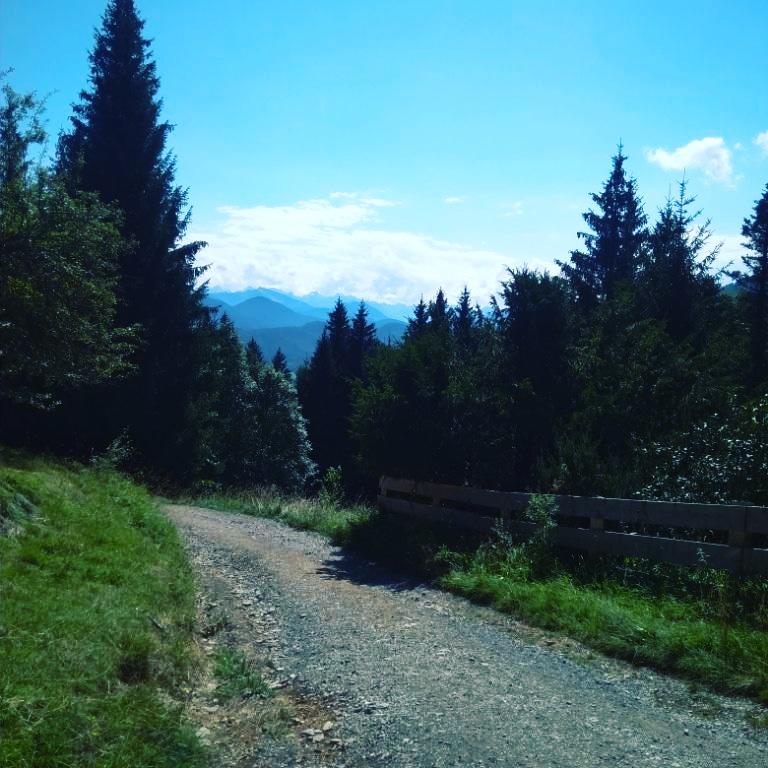
Upper Bavaria is the most famous and visited region of Bavaria. It’s home to Munich, the vibrant capital of the Free State, and includes some of Germany’s most iconic attractions and landscapes. The most visited subregion of Upper Bavaria is the so called “Alpenvorland” the Alpine Foreland with small mountains, typical alpine architecture and traditional restaurants and beer gardens.
What Makes Upper Bavaria Special?
- Munich: Germany’s third-largest city, home to its famous Chirch of Our Lady, the English Garden, world-class museums and a vibrant mix of cultures roofed under a blue and white Bavarian sky.
- The Bavarian Alps: South of Munich, you’ll find dramatic mountain scenery, charming villages like Mittenwald, Bad Tölz and Oberammergau, and outdoor recreation at its finest.
- Alpine Lakes: Stunning lakes like Starnberger See, Ammersee, Tegernsee and Chiemsee offer beaches, water sports, and lakeside villages.
- Royal Heritage: Home to Nymphenburg Palace, Herrenchiemsee Palace, and other castles that showcase Bavaria’s royal legacy.
- Oktoberfest: The world-famous beer festival takes place in Munich every September-October.
Key Attractions in Upper Bavaria:
- Marienplatz & Neues Rathaus (Munich)
- English Garden Munich (largest urban park in Europe)
- Oberammergau (charming alpine village, Passion Play)
- Mittenwald (picture-perfect Lüftlmalerei houses)
- Chiemsee (Bavaria’s largest lake, “Bavarian Sea”)
- Starnberger See (elegant lakeside towns and small castles)
- Schloss Nymphenburg (Palace with huge park in Munich)
- BMW World (car exhibition in futuristic architecture)
When to Visit Upper Bavaria:
- Spring (April-May): Alpine flowers bloom, mild weather and Starkbierfest (strong beer festival)
- Summer (June-August): Perfect for hiking, lakes, and festivals
- Fall (September-October): Oktoberfest, crisp mountain air, stunning colors
- Winter (December-February): Christmas markets, skiing, festive atmosphere
Travel Time from Munich:
Upper Bavaria is essentially centered around Munich, so it’s your base for exploring the region. Most attractions are within 1-2 hours by car or train.
2. Niederbayern (Lower Bavaria) – The Danube Valley Gem
Capital: Landshut
Vibe: Historic, authentic, underrated, peaceful, riverside charm
Best for: History buffs, nature lovers, cultural explorers, travelers seeking authenticity
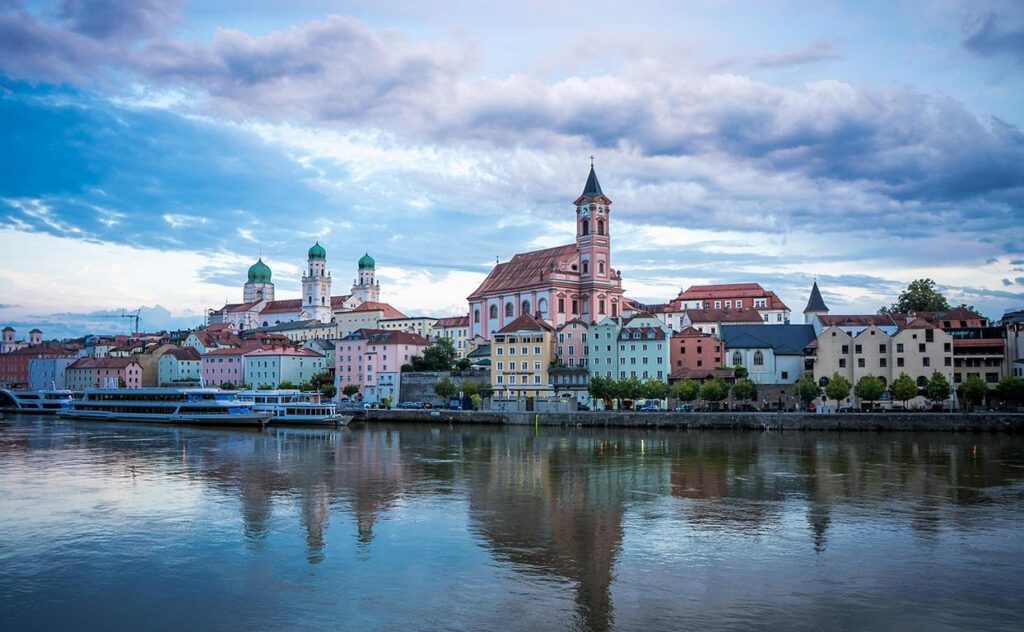
Lower Bavaria is often overlooked by international tourists, but it’s a hidden gem offering pristine medieval towns, the scenic Danube Valley, and genuine Bavarian hospitality.
What Makes Lower Bavaria Special?
- The Danube River: Europe’s second-longest river flows through Lower Bavaria, creating picturesque landscapes and charming riverside towns. Passau is a hub for international tourists starting/ending a River Cruise on the Danube.
- Medieval Towns: Beautifully preserved historic towns like Landshut, Straubing, and Deggendorf showcase traditional Bavarian architecture.
- Authentic Culture: Less touristy than Upper Bavaria, you’ll experience “real” Bavaria here – local traditions, genuine cuisine, and warm hospitality. But also a lower number of English-speakers.
- Nature & Outdoor Activities: Hiking, biking along the Danube Valley cycle route, and kayaking are popular. Also relaxing in the Bäderdreicek (Spa triangle) region (towns of Bad Birnbach – Bad Griesbach -Bad Füssing) is a good option.
- Bavarian Forest: The eastern part of Lower Bavaria borders the Bavarian Forest (Bayerischer Wald), perfect for outdoor adventures.
Key Attractions in Lower Bavaria:
- Landshut: Historic ducal city with stunning Trausnitz Castle and beautiful Old Town; highest brick-built bell tower in the world (Church of St. Martin)
- Straubing: Another medieval gem on the Danube, famous for traditional beer culture
- Deggendorf: Gateway to the Bavarian Forest, charming riverside setting
- Passau: The “Venice of Bavaria” – where three rivers (Danube, Inn, Ilz) meet; starting point for river Cruises.
- Vilshofen: Picturesque town on the Danube
- Bavarian Forest National Park: Pristine forests, hiking trails, wildlife
- Dingolfing: Historic town, automotive heritage (BMW)
When to Visit Lower Bavaria:
- Spring (April-May): Danube Valley comes alive, perfect for biking
- Summer (June-August): Ideal for river activities, hiking, and outdoor festivals
- Fall (September-October): Golden light, harvest season, comfortable temperatures, best for hiking.
- Winter (December-February): Quieter, cozy atmosphere, fewer tourists, Bavarian Forest gets very calm and creates a festive atmosphere. Ideal for wellness vacation.
Travel Time from Munich:
- Landshut: 1 hour by train
- Straubing: 1.5-2 hours by train/car
- Passau: 2-2.5 hours by train
3. Oberpfalz (Upper Palatinate) – Medieval Towns & Nature

Capital: Regensburg
Vibe: Historic, artistic, culturally rich, nature-focused
Best for: Medieval town explorers, nature enthusiasts, art lovers, cyclists
The Upper Palatinate is characterized by its medieval towns, dense forests, and the Danube River. It’s a region of authentic charm and outdoor beauty as well as a great option for beer lovers as there are still many small and micro breweries active.
What Makes Upper Palatinate Special?
- Regensburg: A UNESCO World Heritage site and one of Germany’s best-preserved medieval cities. The Danube flows through its historic center.
- Medieval Architecture: Towns throughout the region feature stunning Gothic and Renaissance buildings.
- Oberpfälzer Wald: The Upper Palatinate Forest offers excellent hiking and nature experiences.
- Crystal Tradition: The region is famous for Bavarian crystal manufacturing (Zwiesel, Bodenmais).
- Quiet Charm: Less crowded than Upper Bavaria, offering a more intimate Bavarian experience.
- Sometimes very hard to understand Bavarian sub-dialect (Upper-Palatinian) even when you speak German (like Scottish, but German ;-))
- Specific brewing tradition “Zoigl” – characterized by communal brewing in a shared brewhouse, fermentation in private cellars, and temporary pubs (Zoiglstuben) run by homebrewers, advertised by a six-pointed star (Zoiglstar – which looks like the Star Of David)
Key Attractions in Upper Palatinate:
- Regensburg: Medieval Old Town, St. Peter’s Cathedral, Danube promenade, museums, famous Bratwurst
- Walhalla: Neoclassical temple dedicated to German heroes (stunning river views)
- Amberg: Another beautiful medieval town with the “Four Towers”
- Sulzbach-Rosenberg: Historic town famous for crystal production
- Oberpfälzer Wald: Hiking paradise with lakes and forests
- Flössmuseum (Raft Museum): Learn about traditional Danube transportation
When to Visit Upper Palatinate:
- Spring (April-May): Forest blooms, mild weather, great for hiking
- Summer (June-August): Perfect for river activities and outdoor exploration
- Fall (September-October): Harvest season, stunning autumn colors
- Winter (December-February): Christmas markets in Regensburg, winter sports
Travel Time from Munich:
- Regensburg: 1.5-2 hours by train/car
- Amberg: 1.5 hours by car
4. Oberfranken (Upper Franconia) – Beer Culture & Forest Beauty
Capital: Bayreuth
Vibe: a bit Bohemian, authentic, beer-centric, artistic
Best for: Beer enthusiasts, photographers, outdoor adventurers, culture lovers
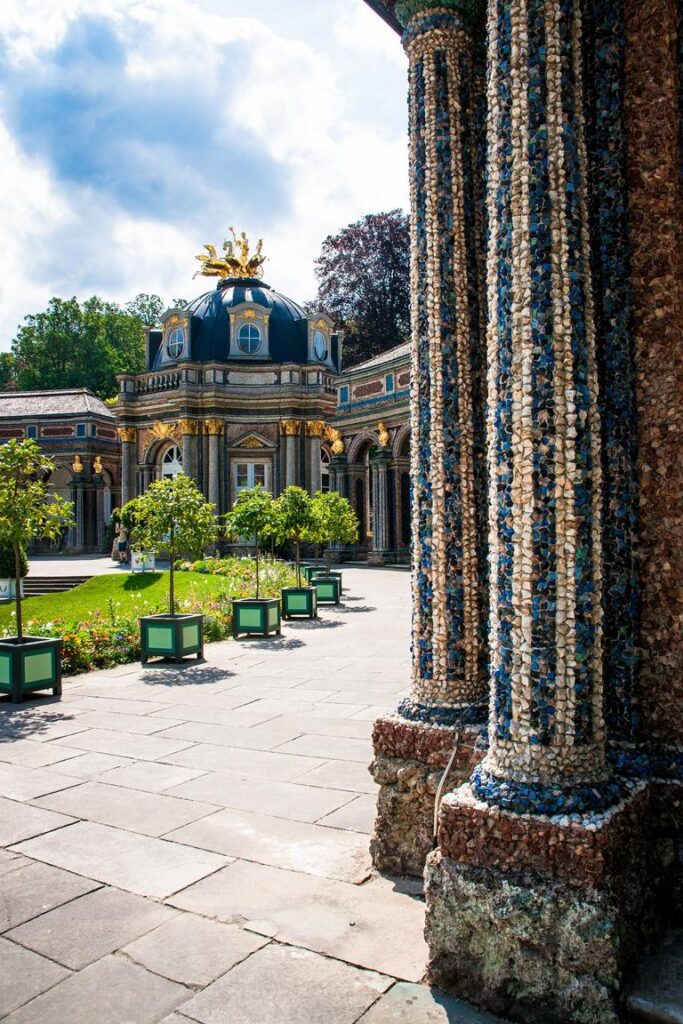
Upper Franconia is famous for its exceptional beer culture, stunning medieval cities, and forested landscapes. It’s a region where tradition runs deep. In the north you can still visit ruins and museums about the border to East Germany, the “Iron Curtain”.
What Makes Upper Franconia Special?
- Beer Paradise: Home to more breweries per capita than anywhere in Germany. Expect world-class local beers in every town.
- Bamberg: One of Germany’s most beautiful cities, a UNESCO World Heritage site with unique Bambergian architecture. Plus: unique Bamberg Schlenkerla (smoked dark beer)
- Franconian Switzerland: Stunning landscape with hiking trails, gorges, and outdoor activities.
- Coburg: Historic ducal town with impressive fortress and royal connections. Bonus tip: try the Coburger Bratwurst, a special Brat grilled over beech wood.
- Playgrounds for Outdoor Lovers: Dense forests, limestone gorges (Franconian Switzerland), and pristine nature.
Key Attractions in Upper Franconia:
- Bamberg: Historic Old Town (UNESCO World Heritage), cathedral, breweries (smoked beer), beautiful riverside setting
- Coburg: Coburg Fortress, charming town center, royal heritage
- Kulmbach: Fortress, beer culture, museums
- Kronach: Medieval fortress town, artist community
- Franconian Switzerland (Fränkische Schweiz): Hiking trails, caves, picturesque villages
- Hiking & Biking: Excellent network of trails throughout the region
- Brewery Tours and hikes: Countless opportunities to visit traditional Franconian breweries
When to Visit Upper Franconia:
- Spring (April-May): Perfect hiking weather, spring festivals
- Summer (June-August): Beer gardens, hiking, outdoor festivals
- Fall (September-October): Harvest season, beer season (Oktoberfest elsewhere, but local beer culture peaks)
- Winter (December-February): Christmas markets, cozy beer halls, winter hiking
Travel Time from Munich:
- Bamberg: 2-2.5 hours by train
- Coburg: 2.5-3 hours by car/train
- Franconian Switzerland: 2-2.5 hours by car
5. Mittelfranken (Middle Franconia) – Nuremberg's Heritage & Franconian Charm
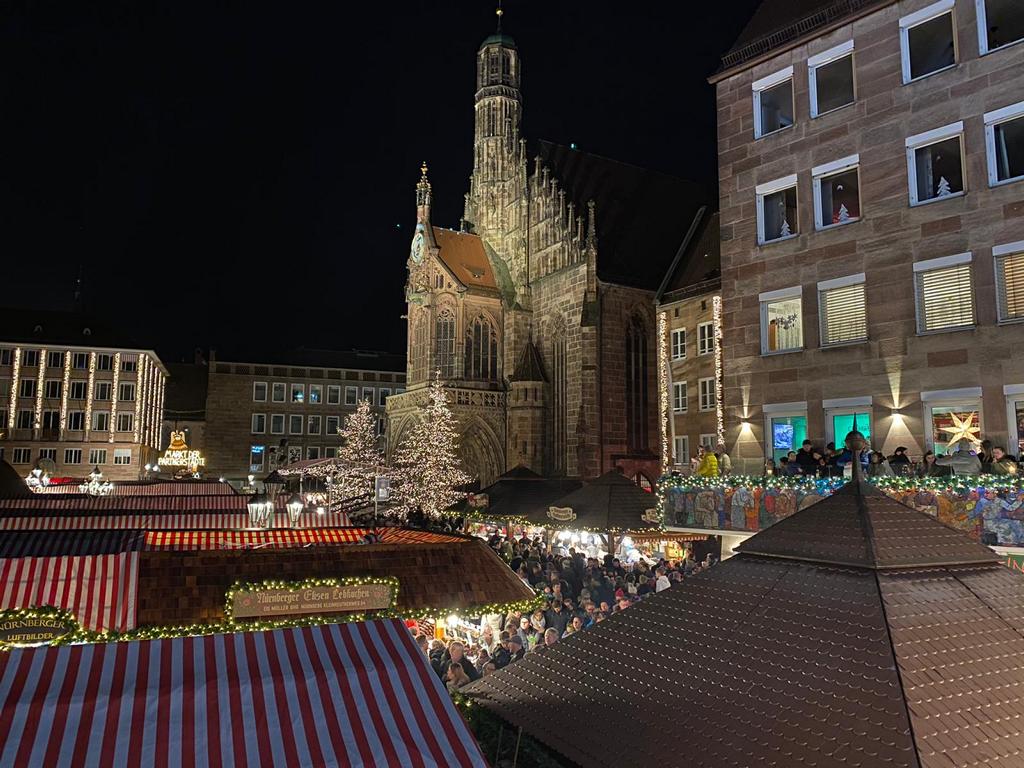
Capital: Nuremberg (Nürnberg)
Vibe: Medieval, historical, cultural, charming, artistic
Best for: History enthusiasts, culture lovers, Christmas market fans, photographers
Middle Franconia centers around Nuremberg, one of Germany’s most historically significant cities. The region combines important history with charming smaller towns and beautiful countryside.
What Makes Middle Franconia Special?
- Nuremberg: A major medieval city with a stunning fortified Old Town, Imperial Castle, and important historical significance (also dark chapters of history – Third Reich).
- Christmas Markets: Nuremberg’s Christkindlesmarkt is one of Europe’s most famous Christmas markets, operating since the 16th century.
- Medieval Towns: Rothenburg ob der Tauber (nearby) is one of Germany’s most picturesque preserved medieval towns. But also one of the most touristy towns.
- Franconian Culture: Authentic regional cuisine, beer culture, and traditions.
- Toy Heritage: Nuremberg is historically famous for toy manufacturing.
Key Attractions in Middle Franconia:
- Nuremberg (Nürnberg): Imperial Castle, Old Town, Documentation Center (WWII history), St. Lorenz Church, Christma Market (December)
- Rothenburg ob der Tauber: Perfectly preserved walled medieval town (often called Germany’s most beautiful town), but expect also busloads of tourists.
- Ansbach: Rococo palace, charming town center
- Weissenburg: Medieval walled town with Roman museum
- Toy Museum Nuremberg (Spielzeugmuseum): Explore the region’s toy-making heritage
- Herzogenaurach: Beatiful old town and home of the world known brand Adidas (with outlet and concept store)
When to Visit Middle Franconia:
- Spring (April-May): Pleasant weather, countryside blooms
- Summer (June-August): Outdoor festivals, warm weather for sightseeing
- Fall (September-October): Comfortable temperatures, fewer crowds
- Winter (December-January): Christmas markets (especially Nuremberg’s famous market) and medieval Rothenburg ob der Tauber.
Travel Time from Munich:
- Nuremberg: 1 hour by train (high-speed train), 1.5 hours (regular train)
- Rothenburg ob der Tauber: 2.5-3 hours by car/train
- Herzogenaurach: 2 hours by car, 2.5 hours by public transport
6. Unterfranken (Lower Franconia) – Wine Country & Main Valley

Capital: Würzburg
Vibe: Cultured, artistic, wine-focused, baroque elegance
Best for: Wine lovers, art enthusiasts, baroque architecture fans, river travelers
Lower Franconia is known for its wine production, the beautiful Main River Valley, and baroque architecture. It’s a more refined, less mountainous region compared to other Bavarian areas.
What Makes Lower Franconia Special?
- Franconian Wine: This region produces some of Germany’s best white wines. My Tip: Try some Scheurebe wine, a grape that was created 1916 and never had large pupularity, but now gains more and more fans. Wine trails and wine villages are abundant.
- Würzburg: A beautiful baroque city with stunning prince-bishop’s palace (UNESCO site), vineyards, and riverside charm.
- Main River Valley: Picturesque landscape for river cruises, cycling, and hiking.
- Baroque Architecture: The region is filled with ornate baroque churches, palaces, and town centers.
- Romantic Road Connection: The famous “Romantische Straße” (Romantic Road) passes through this region.
Key Attractions in Lower Franconia:
- Würzburg: Residence Palace (UNESCO), Main River promenade, wine taverns, market square
- Miltenberg: Charming wine village on the Main River
- Wertheim: Romantic town at the confluence of rivers
- Main Valley Cycle Route: Popular biking path along the river
- Wine Villages: Hammelburg, Klingenberg, Frickenhausen – perfect for wine tasting
- Wine festivals (June/July)
- Main River Cruises: Scenic boat tours through the valley
- Veitshöchheim: Rococo palace and gardens
When to Visit Lower Franconia:
- Spring (April-May): Vineyards awaken, mild weather
- Summer (June-August): Wine festivals, perfect weather for cycling
- Fall (September-October): Wine harvest season, perfect for wine tasting and hiking
- Winter (December-February): Cozy wine taverns, peaceful atmosphere
Travel Time from Munich:
- Würzburg: 2-3 hours by train (depending on connection)
7. Schwaben (Swabia) – Lakes, Rivers and Alps
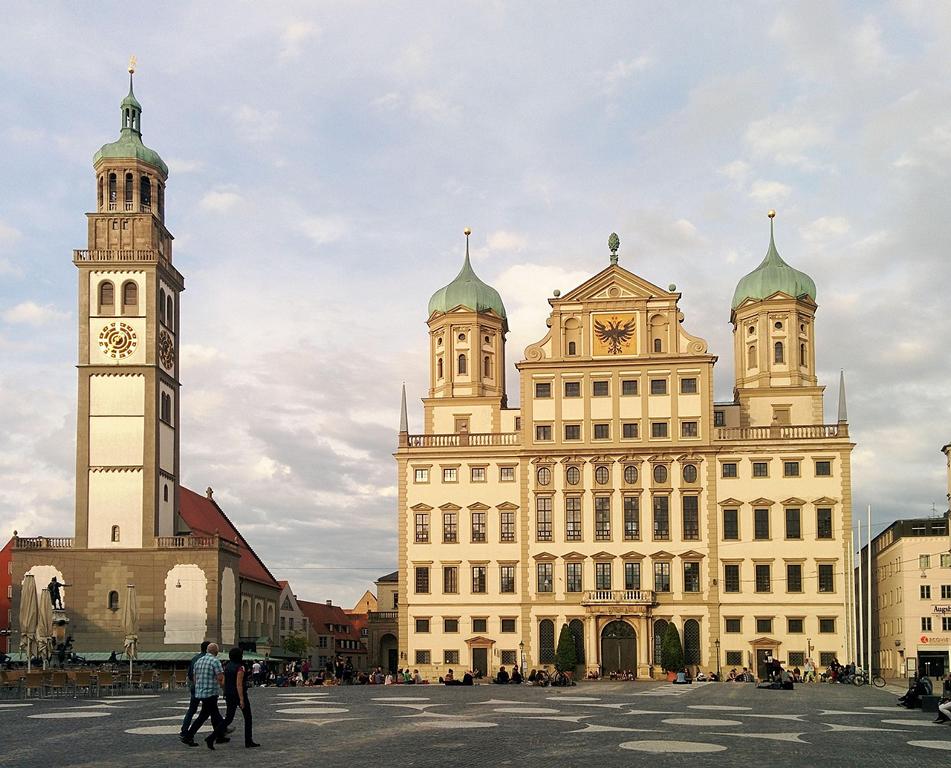
Capital: Augsburg
Vibe: Relaxed, culturally rich, outdoor-friendly
Best for: Lake lovers, water sports enthusiasts, cyclists, family travelers, hikers
Swabian Bavaria is characterized by its numerous lakes and rivers, pleasant countryside, and historic towns. It’s perfect for families and those seeking outdoor recreation combined with cultural experiences. The South of Swabia is home to the famous Royal Castles, especially Neuschwanstein Castle which inspired Walt Disney.
What Makes Swabia Special?
- Augsburg: One of Germany’s oldest cities (founded by the Romans as “Augusta Vindelicorum”) with Renaissance architecture, water systems (UNESCO heritage), and cultural attractions.
- Family-Friendly: Perfect combination of nature, lakes, and activities suitable for all ages.
- Lech River: Beautiful river valley perfect for hiking, cycling, and water activities. While Lech River technically flows through Upper Bavaria it is considered as the “border” between Upper Bavaria and Swabia.
- Gateway to Alps: Southern Swabia provides access to the Bavarian Alps.
- Ideal for hikers that do not like the crowds of the Alps in Upper Bavaria. The southern part of Swabia is called Allgäu. The Allgäu is famous for its mountain cheese and baroque towns.
- Allemanic traditions (celtic tribe that influenced Swabia) , especially during winter (Allemanic Carnival, Funkenfeuer – a huge bonfire to mark the end of winter, Klausentreiben – People dressed as Demons with chains and cowbells scare ghosts and evil sprits away)
Key Attractions in Swabia:
- Augsburg: Historic Old Town, Renaissance fountains (UNESCO), St. Ulrich Church, museums, Town Hall (Golden Ballroom)
- Lake Constance (Bodensee): Germany’s largest lake, perfect for swimming and water sports (and using a scenic ferry to Austria and Switzzerland)
- Lindau: Picturesque town on an island in Lake Constance with harbor and lighthouse
- Füssen: Gateway to Neuschwanstein Castle, beautiful lakeside town
- Forggensee: Stunning alpine lake near Füssen
- Lech River Valley: Hiking and cycling paradise
- Mindelheim: Historic town with charming old center
- Schongau: Medieval town with city walls
When to Visit Swabia:
- Spring (April-May): Mild weather, lakes warming up
- Summer (June-August): Perfect for water activities, swimming, and family fun, sightseeing
- Fall (September-October): Pleasant temperatures, ideal for hikes in the Allgäu region
- Winter (December-February): Quiet atmosphere, proximity to skiing (Allgäu),
Travel Time from Munich:
- Augsburg: 1 hour by train
- Füssen: 2 hours by train/car
- Lake Constance (Lindau): 2-2.5 hours by car
Regional Specialties You Shouldn't Miss
Bavaria has a huge culture, but every heritage that is worldwide known as “German” or “Bavarian” has its roots in one distinctive region of Bavaria. Make sure you try out at least one of every region. Some specialities became so famous that they are now available everywhere in Bavaria:
Upper Bavarian Specialities
- Schweinsbraten mit Knödel (roasted pork with dumplings and gravy)
- Kaiserschmarrn (caramelized and shredded pancake with aplle or plum compote) – A dish from the Alpine region, therefore more considered as Austrian, but also famous in Bavaria
- Obazda (cheese spread, perfect for pretzels)
Lower Bavarian Specialities
- Danube fish specialities
- Pichelsteiner (one pot goulash with vegetables and beef, beef-stew)
- Bärwurz (digestif with 38% alc. made from specific herbs)
Upper Palatinate
- Zoiglbier (beer)
- Dotsch (potato pancake, often served with sauerkraut)
- Bratwursts and hearty cold cuts with bread and beer
Upper Franconian Specialities
- Smoked beer (Bamberg)
- Schlachtschüssel (derived from the words “schlachten” to slaughter and “Platte” plate/dish). Consists of cooked pork belly, blood-sausage and liver-sausage. Served with sauerkraut and bread. Not everyones taste.
- Carp
Middle Franconian Specialities
- Schäufele (roasted pork shoulder with crust, served with dumplings and sauerkraut
- Nürnberger Rostbratwürtchen (small grilled bratwursts, about the size of a finger)
- Schneeballen (Rothenburg): sweet “snow balls” baked dough, sugared
Lower Franconian Specialities
- Blaue Zipfel (Bratwursts, cooked in vinegar and onions)
- Fish (walleye) from the Main River, pan fried
- Bocksbeutel white wine.
Swabian Specialities
- Kässpätzle (cheese noodles with hearty mountain cheese and fried onions)
- Flädlesuppe (broth with cut french-style pancakes)
- Maultaschen (lit.: mouth pockets) pasta-style dough filled with minced meat, spinach, bread crumbs and onions, then cooked. Can be served in a broth or geschmolzen “melted” (pan fried with molten mountain cheese